
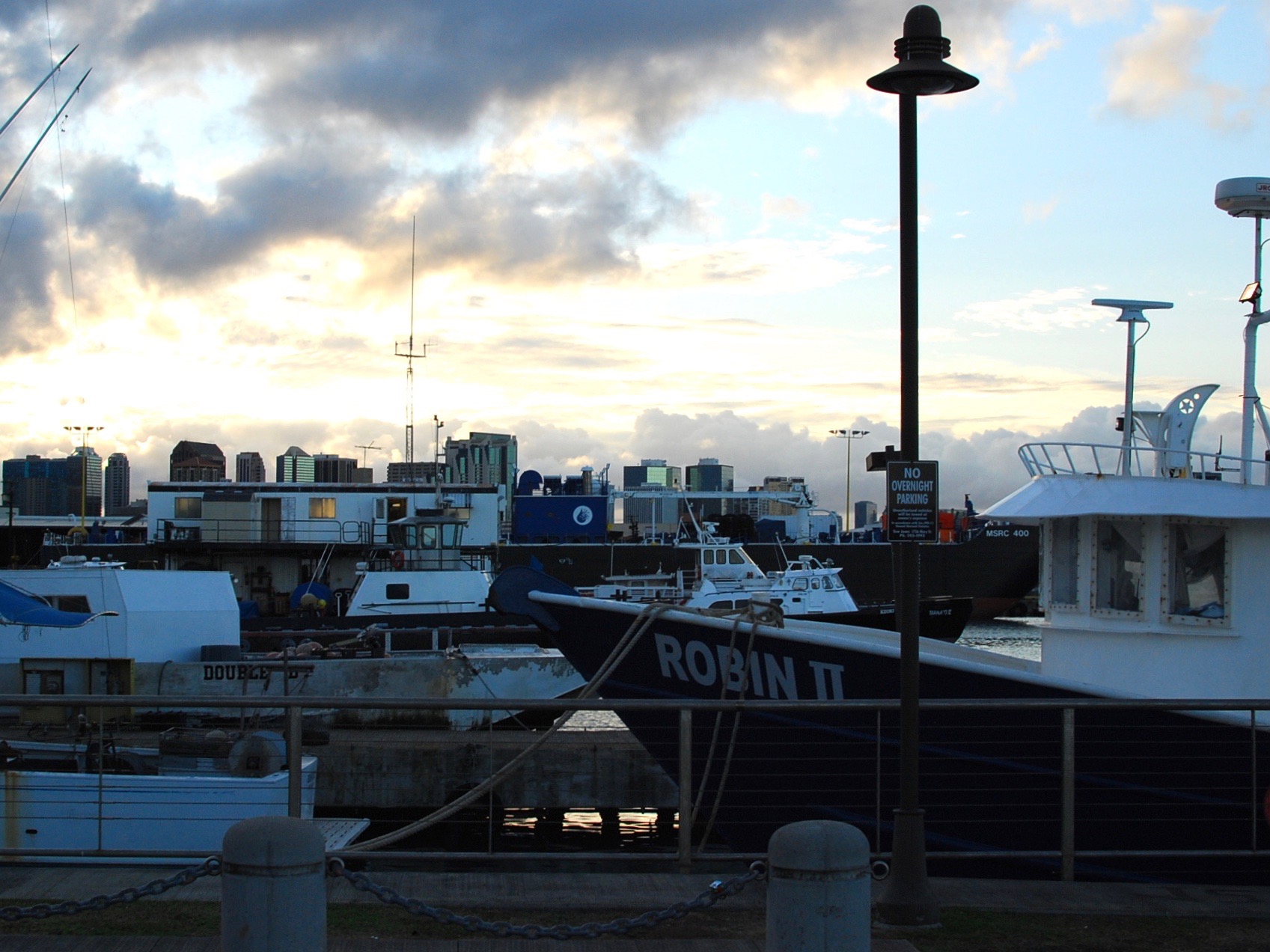
The sun still hadn’t started to rise when our bus pulled up to a dockside building and we met Brooks Takenaka outside the Honolulu Fish Auction. It was just after 5:30 a.m., but fishermen had been offloading fresh catch from boats since 1 a.m., and the auction’s Assistant GM led us on a tour.
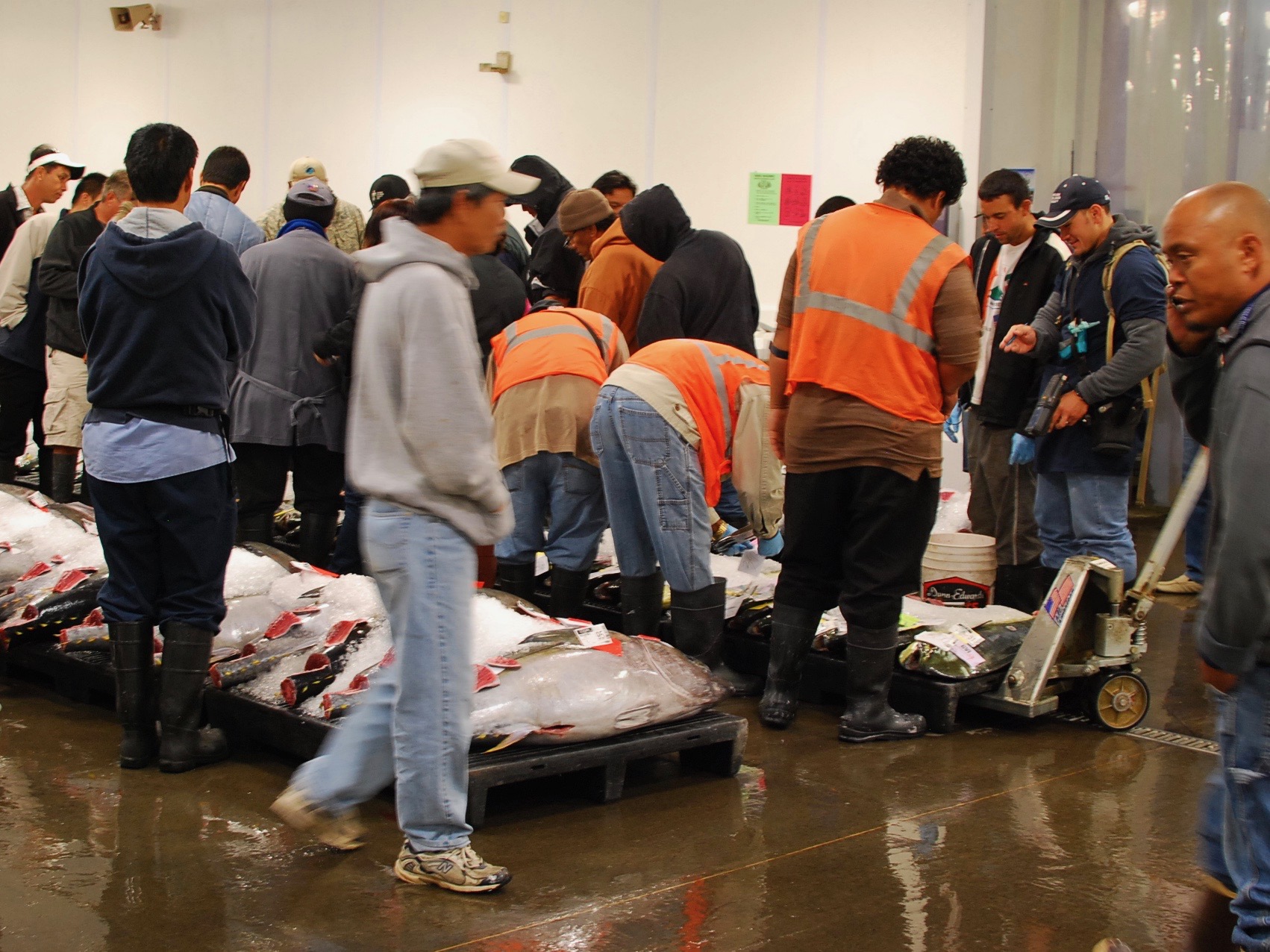
The United Fish Agency started the auction in 1952 on Pier 38 and has since increased their commitment to sustainability, which includes limiting by-catch.
The only fish auction in Hawaii sells 25 million – 28 million pounds of fish per year, accounting for 3% of the Pacific catch. Fishermen who want to participate pay the auction 10% for selling fish. They also have to be TSA certified, and must adhere to government regulated permitting, licensing and health concerns.
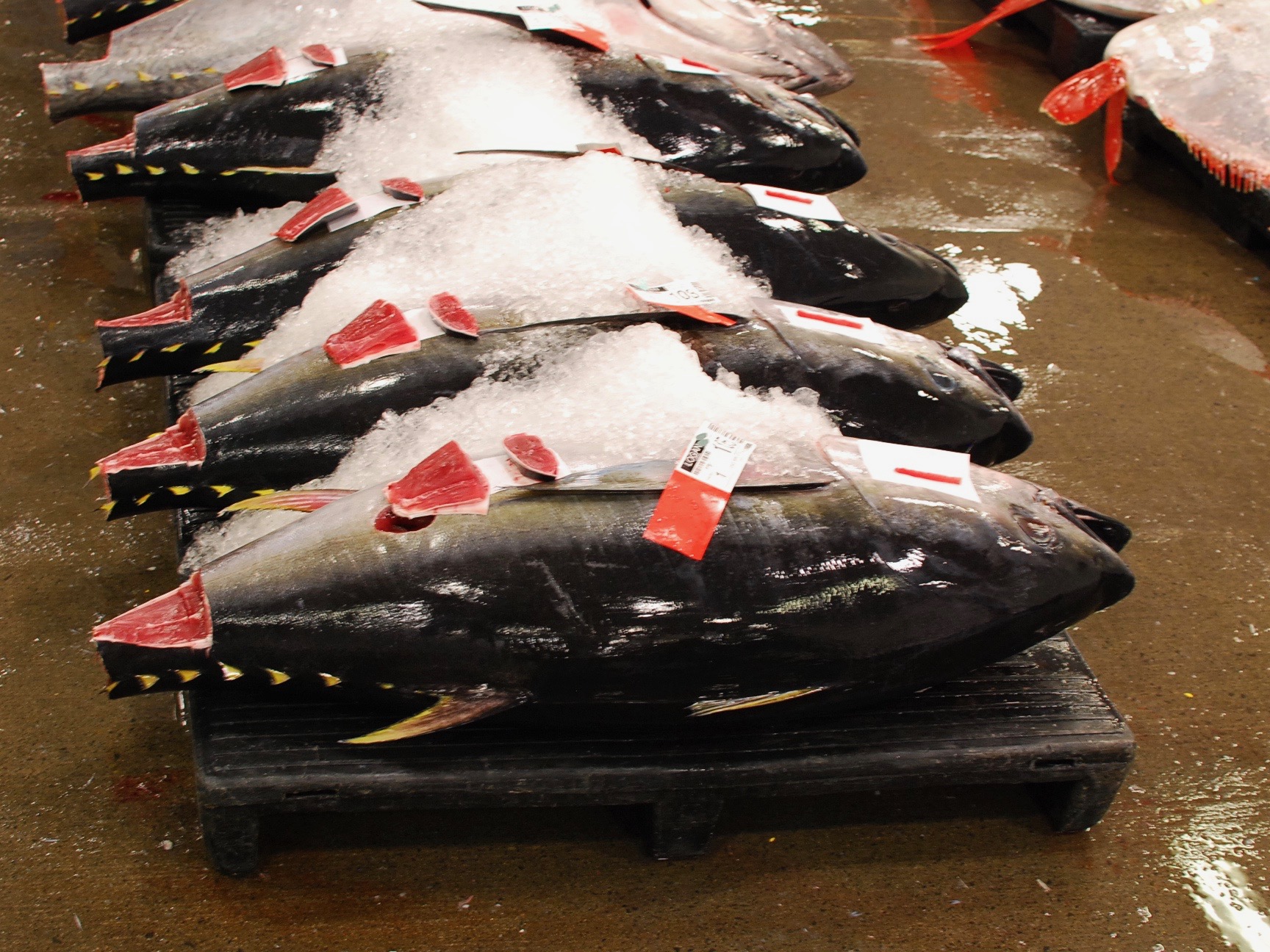
Swordfish season just ended, but vendors sold big eye, albacore and yellowfin tuna sorted big to small.
As Takenaka said, “With the cultural diversity we have in Hawaii, there’s a fond appreciation for the species.”
Last year, they fulfilled their bigeye quota by November 22, meaning they had to sacrifice holiday sales if they wanted to stand strong to their mission. They did. Takenaka said, “It’s not so much about sustainability, per se, as it is, how do we be smart moving forward?”
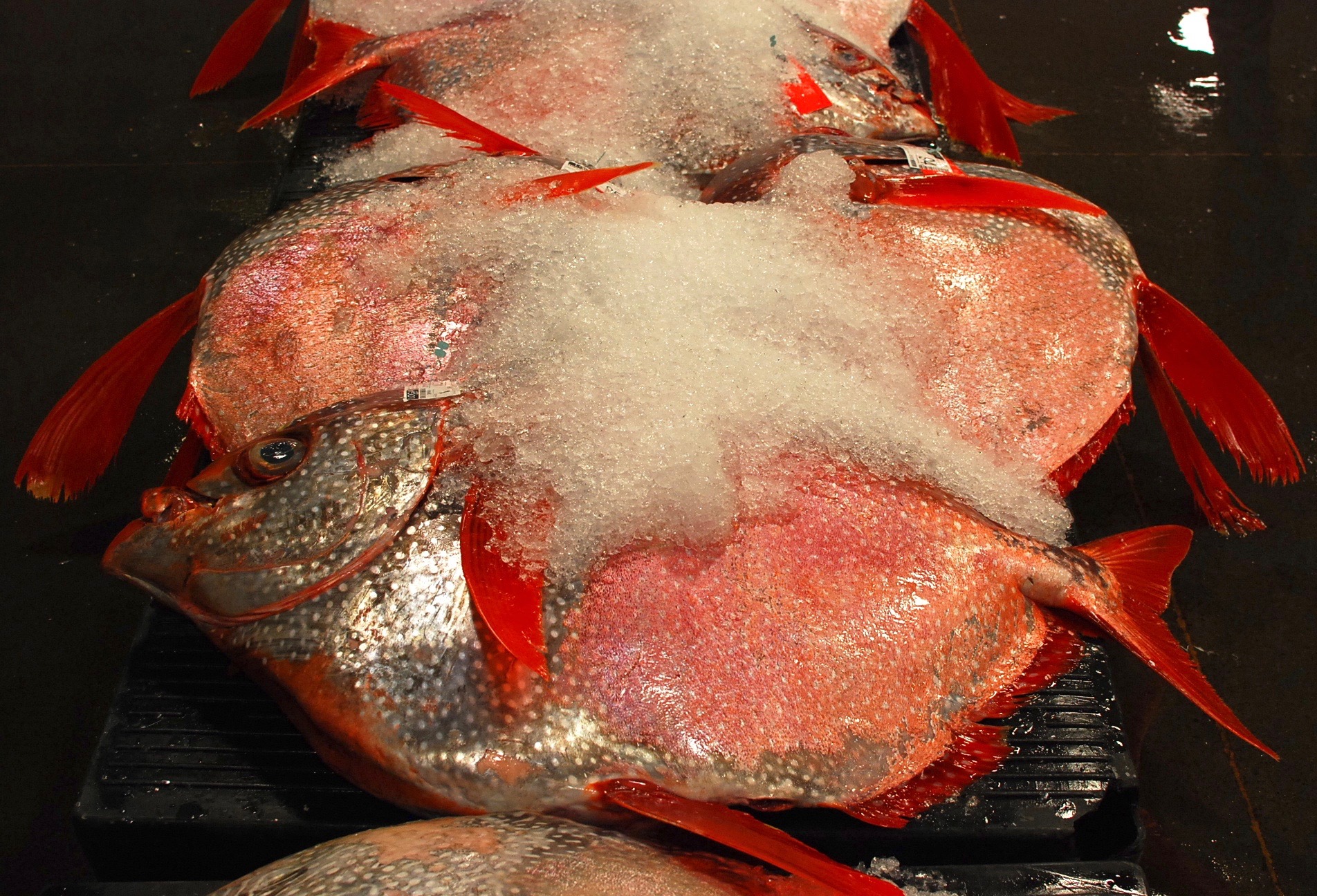
We walked past pallets topped with large fish like mahi mahi, monchong (aka pomfret), big orange opah (aka moonfish), each fish tagged with an UPC code, boat name and weight.
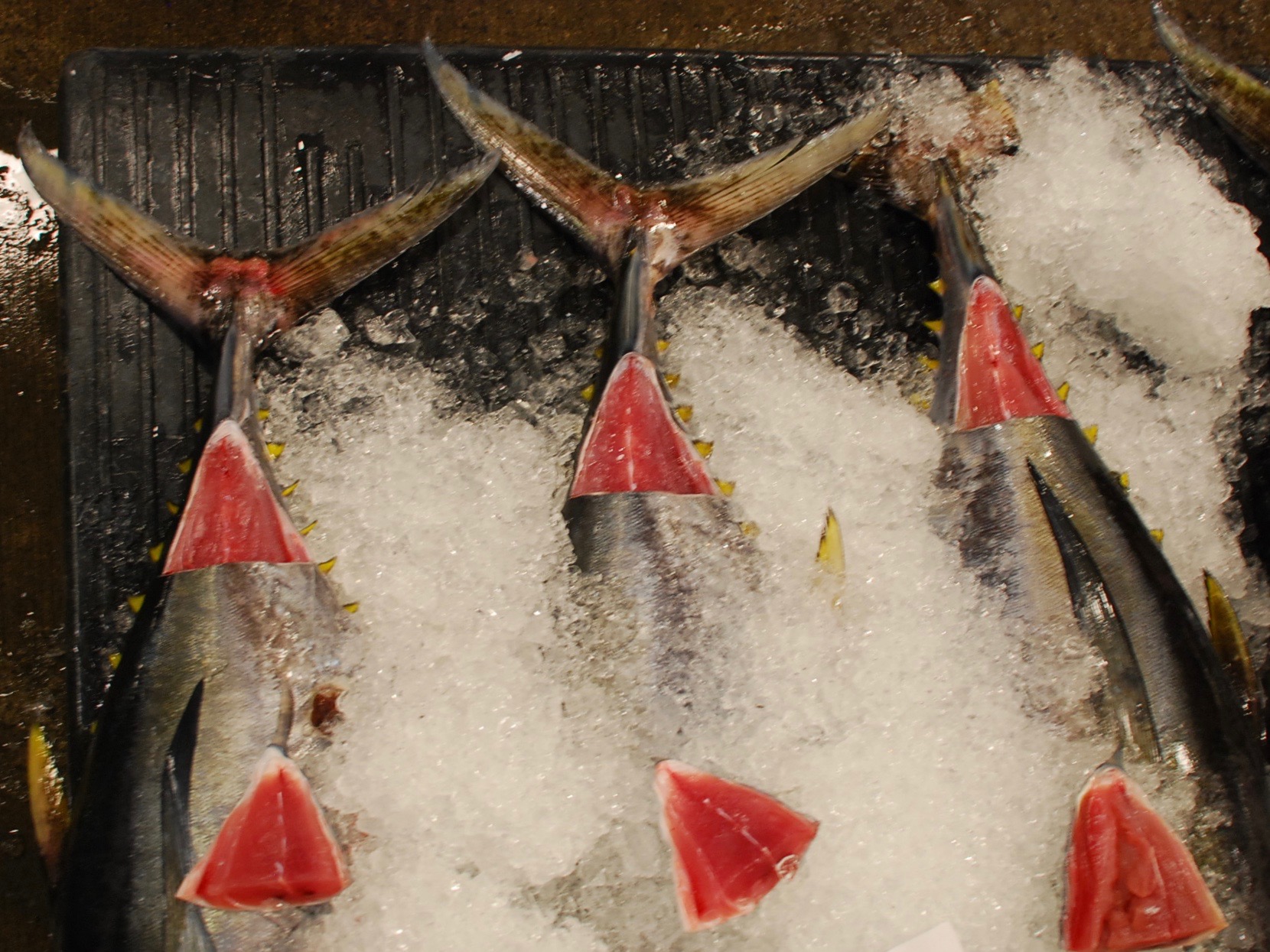
We found two cuts from the tail, which are designed to demonstrate color, freshness and age to potential bidders.
They cut two parts from near tail, which are displayed alongside a core sample from the center of the fish. A fast-talking auctioneer initiated each opening bid, rapid fire.
With bluefin, albacore and yellowfin tuna, a blue ring around the eye indicates freshness, and marbling in the loin = fat = flavor. Bluefin and bigeye migrate in deeper, colder waters than yellowtail or skipjack, resulting in higher fat content, more robust flavor, and a bigger price tag.
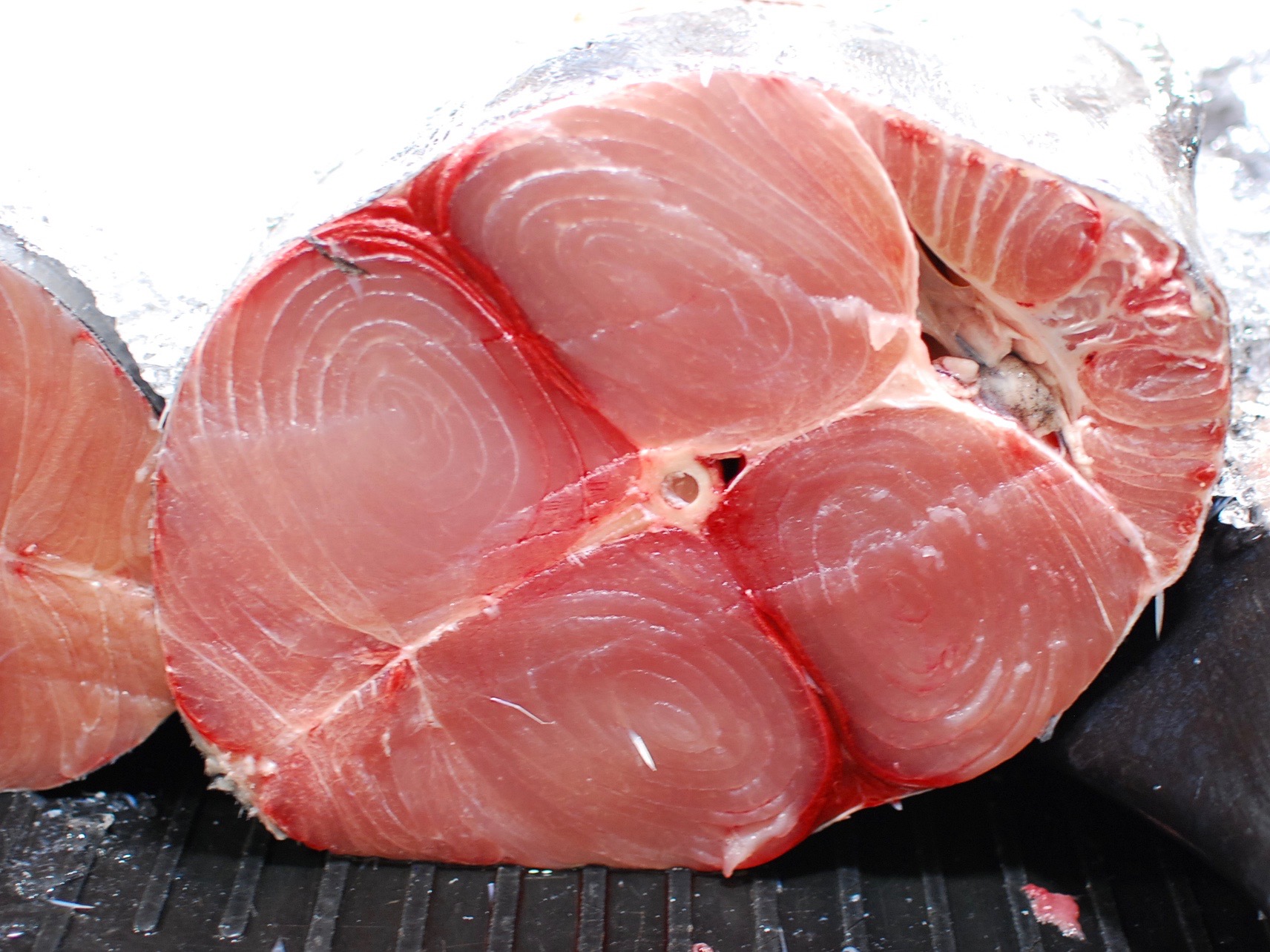
Takenaka estimated that a particular 162-pound bigeye swam the ocean for about 8-10 years.
Earlier this year, a fisherman caught 754 pound bluefin in Sea of Japan, and it sold at Tokyo’s famed Tsukiji seafood market for over $300,000, showing how much Japanese value seafood.
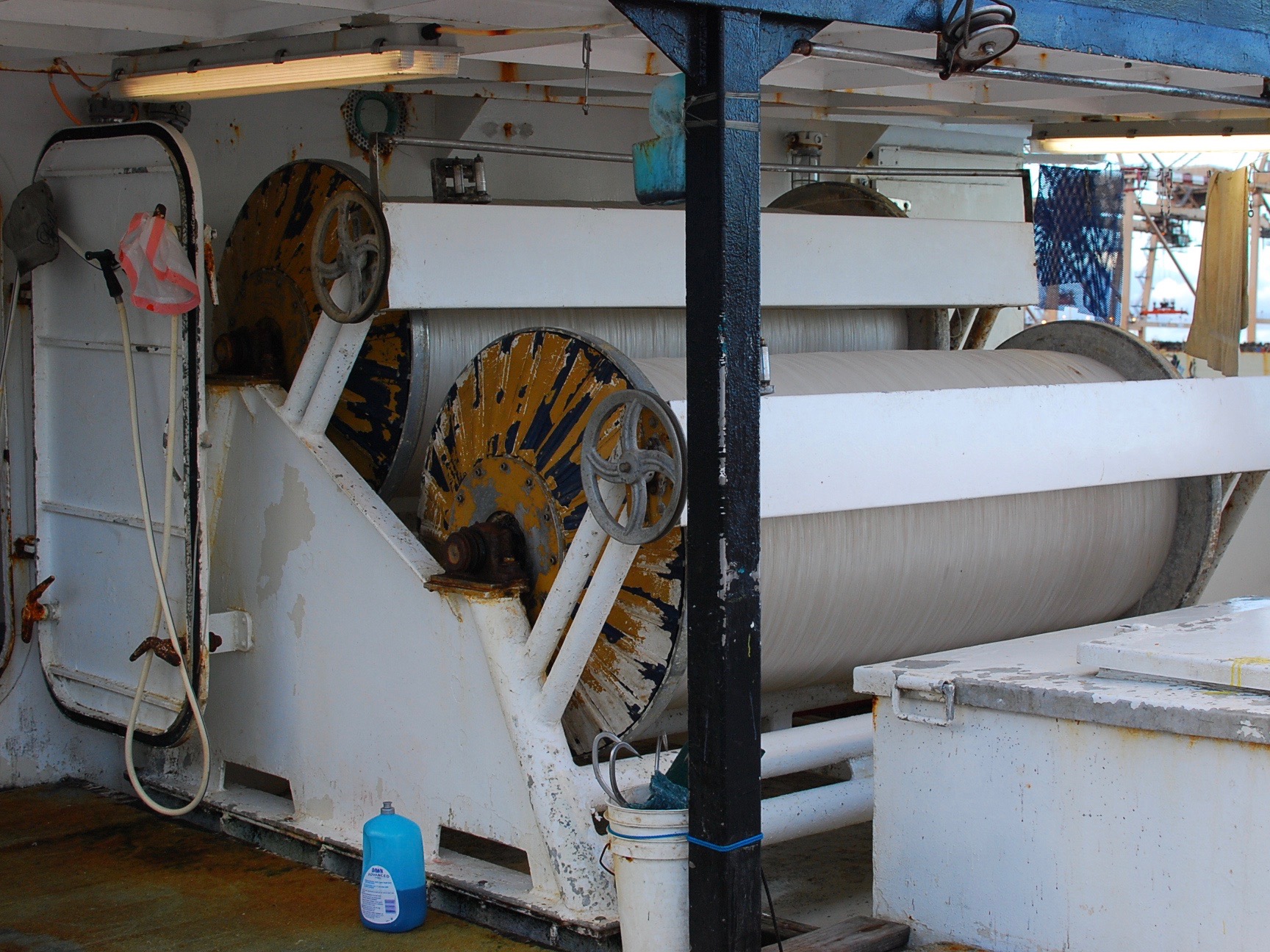
Fishing vessel operators have to state their objective before they leave the harbor, and 100% of voyages have a Federal observer on board to ensure compliance, another measure that limits overfishing.
With long lines, which can travel 20-40 miles long, it causes less stress than purse seine net fishing, since struggle can create heat and lactic acid, neither of which is flavor friendly.
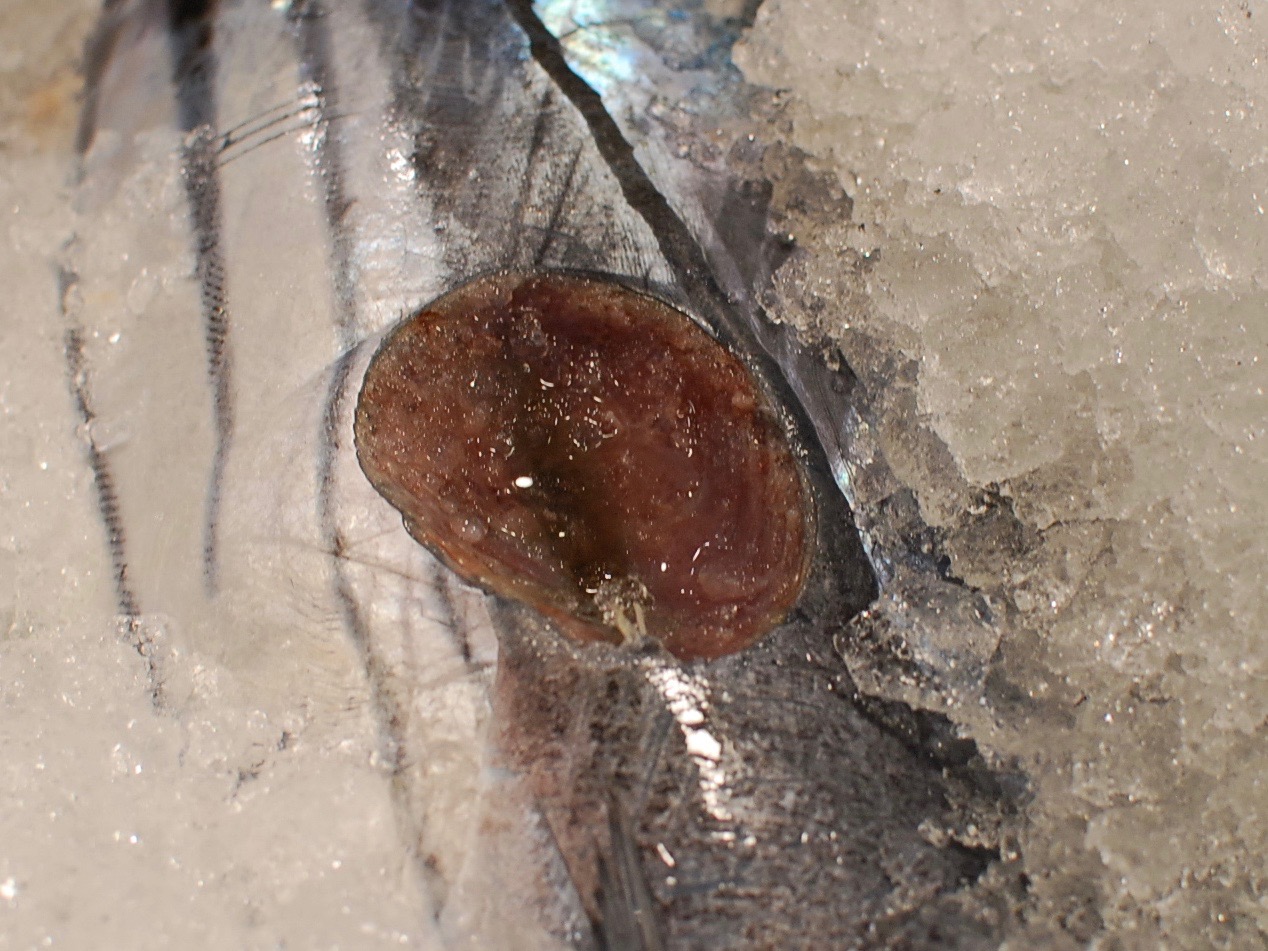
We passed by three marlin species, plus an aku with a crater in the side, taken during a hit-and-run from a cookie cutter shark.
We also saw black escolar, aka oilfish, which probably won’t enter my diet anytime soon. Takenaka said, “Fisherman used to say, you eat too much of it, you get the runs.”
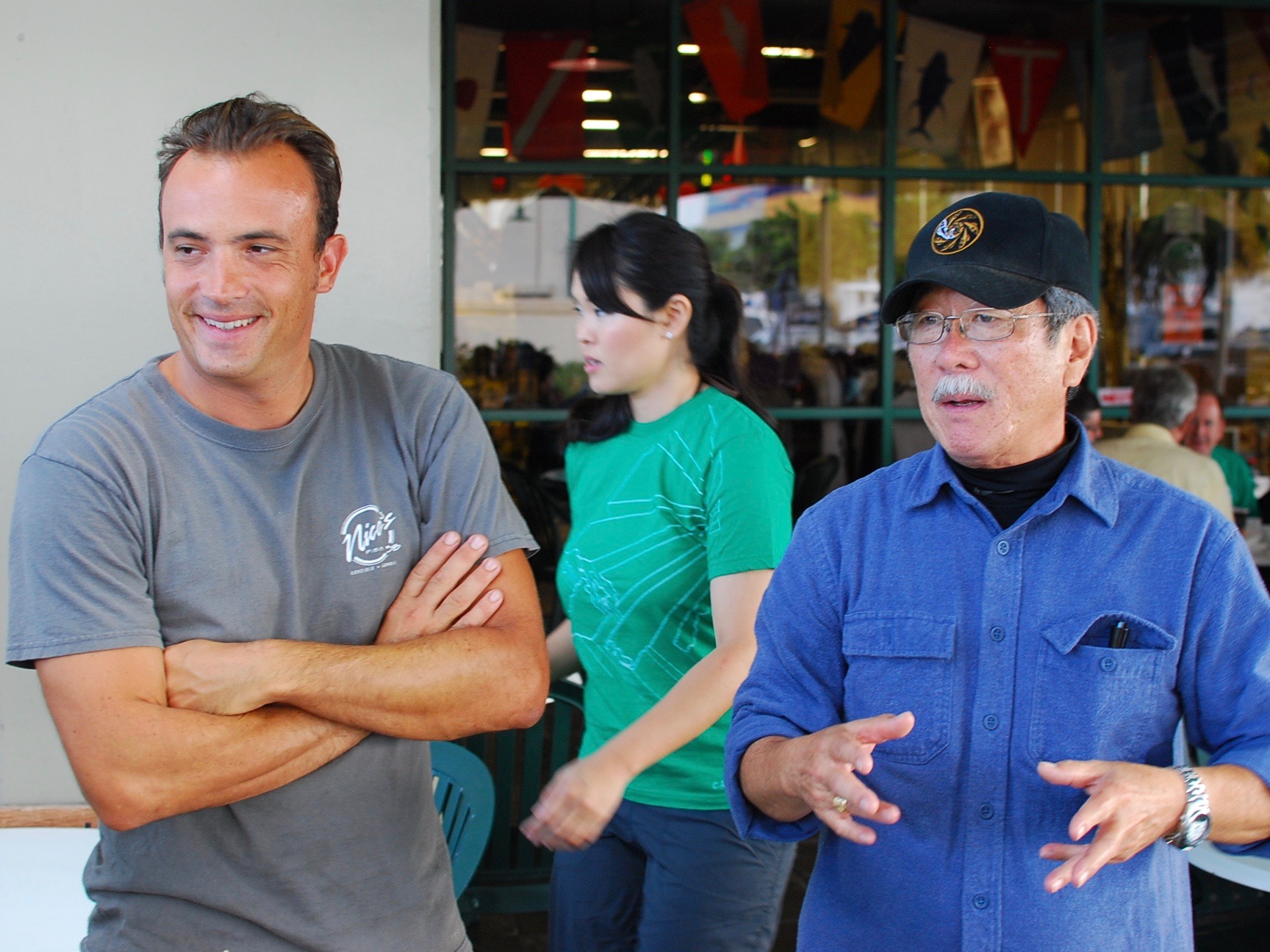
After our tour, Brooks Takenaka joined us next door at Nico’s Pier 38.
Nico’s Pier 38 chef Nico Chaize celebrates the market’s best seafood. Education’s great and all, but with his restaurant next door, that doesn’t have to be the only payoff.
The Honolulu Fish Auction runs Monday – Saturday from 5:30 a.m. – 9:30 a.m., except for final two weeks of the year, when it starts at 3 am. Takenaka said, “As long as you’ve got cash, you can buy.”



Blog Comments
Darin
December 2, 2011 at 10:25 AM
LOVE Nico’s! Haven’t been able to get up early enough to check out this market though..
Joshua Lurie
December 2, 2011 at 10:58 AM
Funny you should mention, Nico’s, Darin. That’s my next post. It’s a pretty great one-two combo, if you can rise early the next time you’re in Honolulu.