

British Columbia changed forever due to the 2010 Vancouver Winter Olympics. Hundreds of millions of dollars impacted the infrastructure and aesthetics as far north as Whistler, and while many of the steps signaled a leap forward in the landscape, the powers that be also took measures to honor the past. Case in point: the Squamish Lil’Wat Cultural Centre, a 30,400-square-foot structure that celebrates the cultures of two local First Nations tribes: Squamish and Lil’Wat. They also spotlight native cuisine, and after touring the museum, we learned more about the local food.
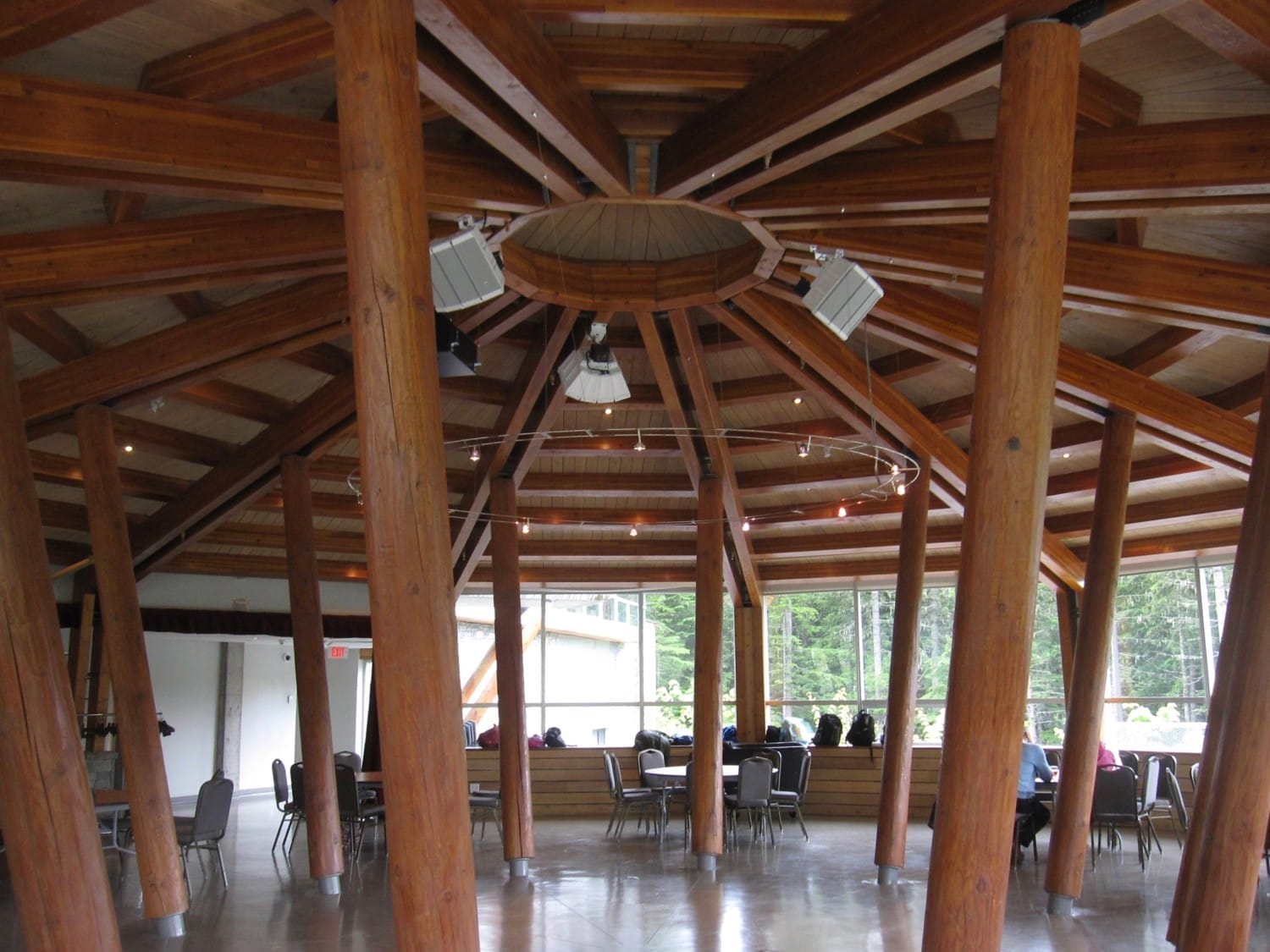
The ground-floor dining room is designed to resemble a Lil’Wat istken (earthen dwelling with fire pit).
As for the menu, the Squamish and Lil’Wat turned to Four Seasons executive chef Thomas Dolbee, situated up the street, who was inspired by traditional ingredients and dishes.
Salmon runs are apparently a sight to behold in the nearby Squamish River. That particular fish has been a major part of the local diet for centuries, so it was no surprise to find a couple iterations on the cafe’s menu.
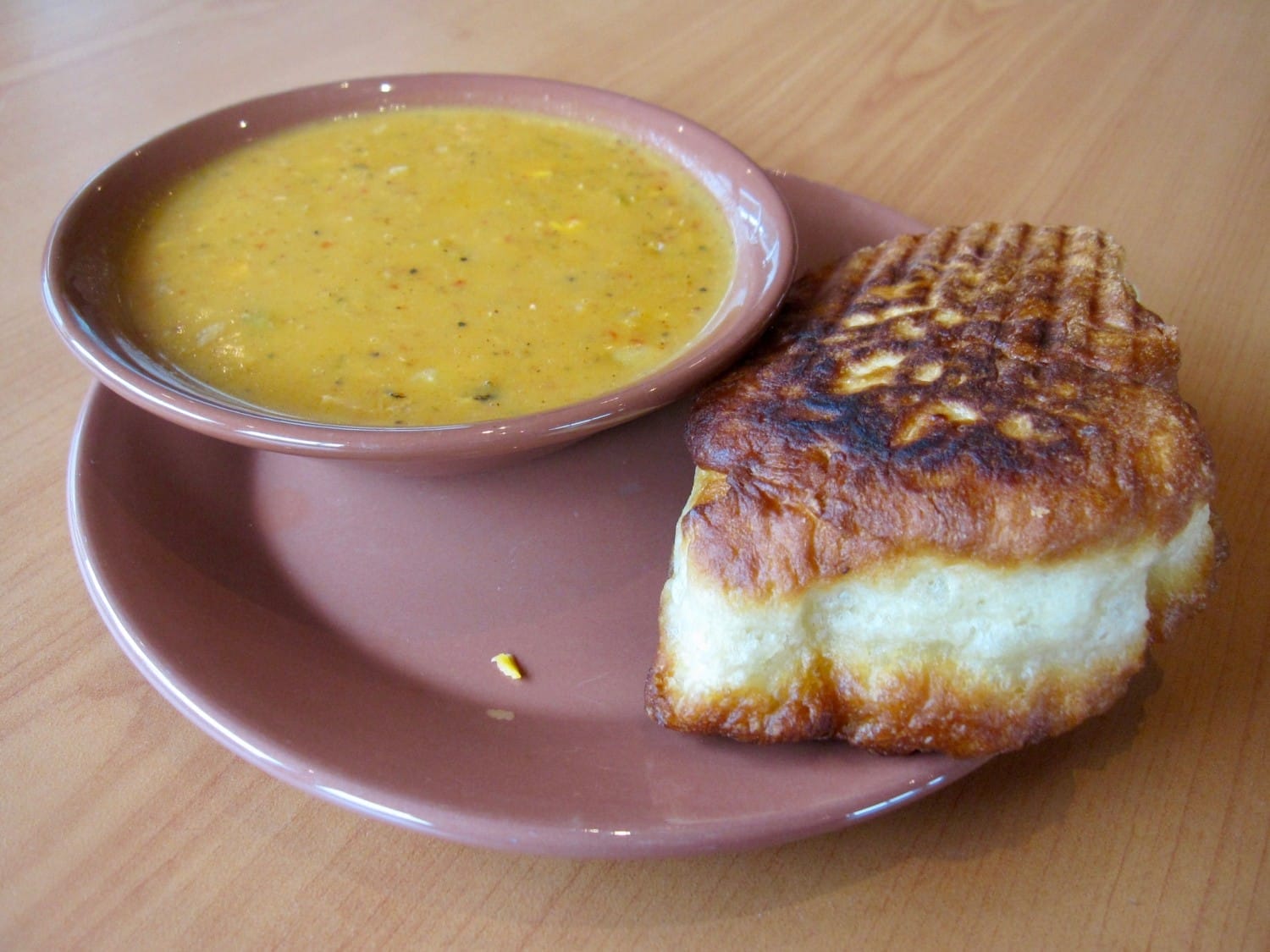
My flavorful salmon chowder ($8) was loaded with silky fish chunks, corn, potato cubes, roasted red pepper and celery and sported an orange hue. A raft of bannock, native fry bread that’s crisp outside, light and biscuit-like inside and crisped in a panini press before joining the chowder.
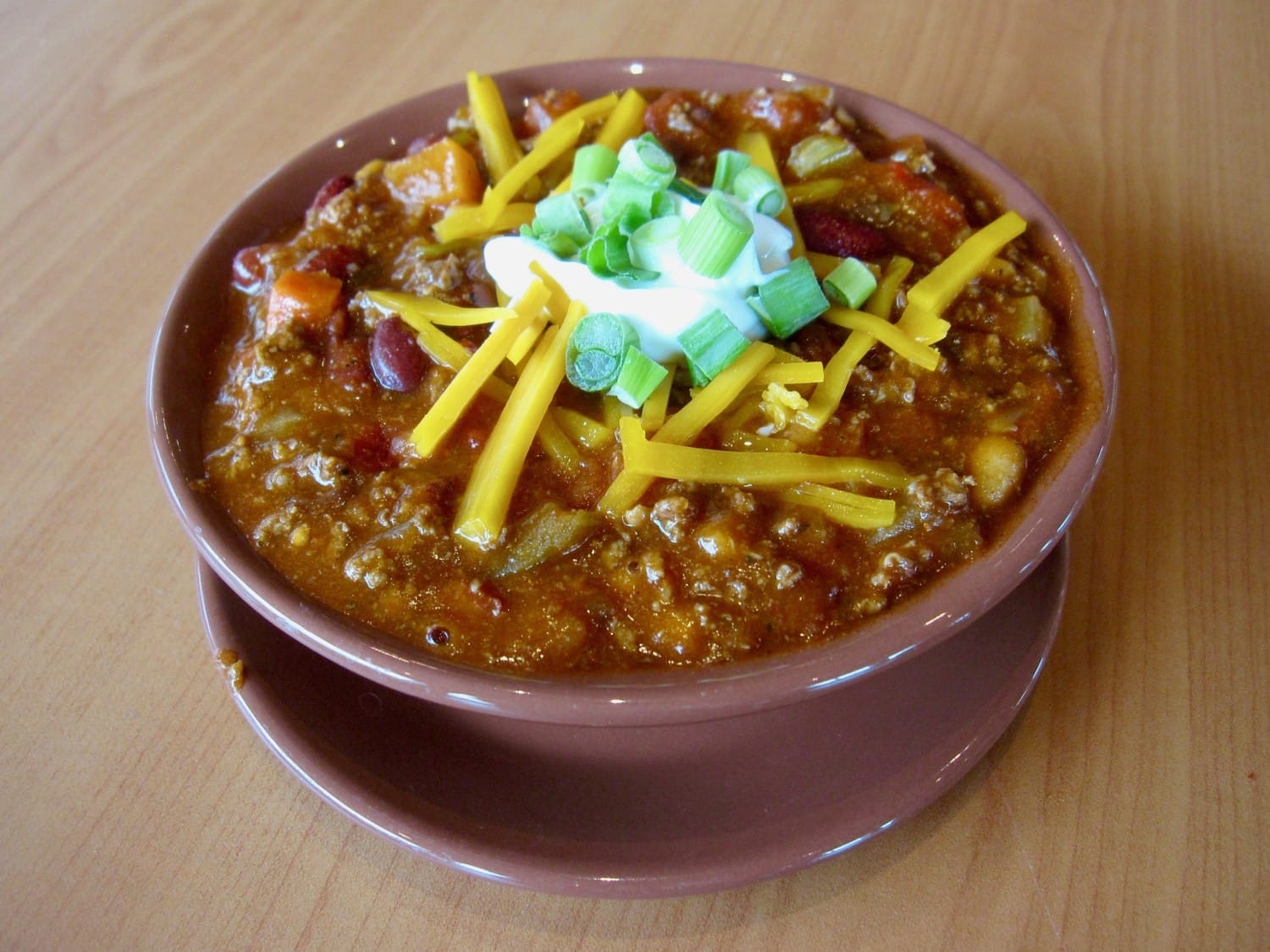
Venison Chili ($8 with bannock, $5.50 without) was a hearty dish on a drizzly morning, featuring ground deer meat flavored with with tomato, zucchini, onions, carrot, kidney beans and tiny white beans.
It’s hard to imagine the Squamish and Lil’Wat dressing their chili with cheddar, sour cream and chives, but it wasn’t a surprise to find some modern updates.
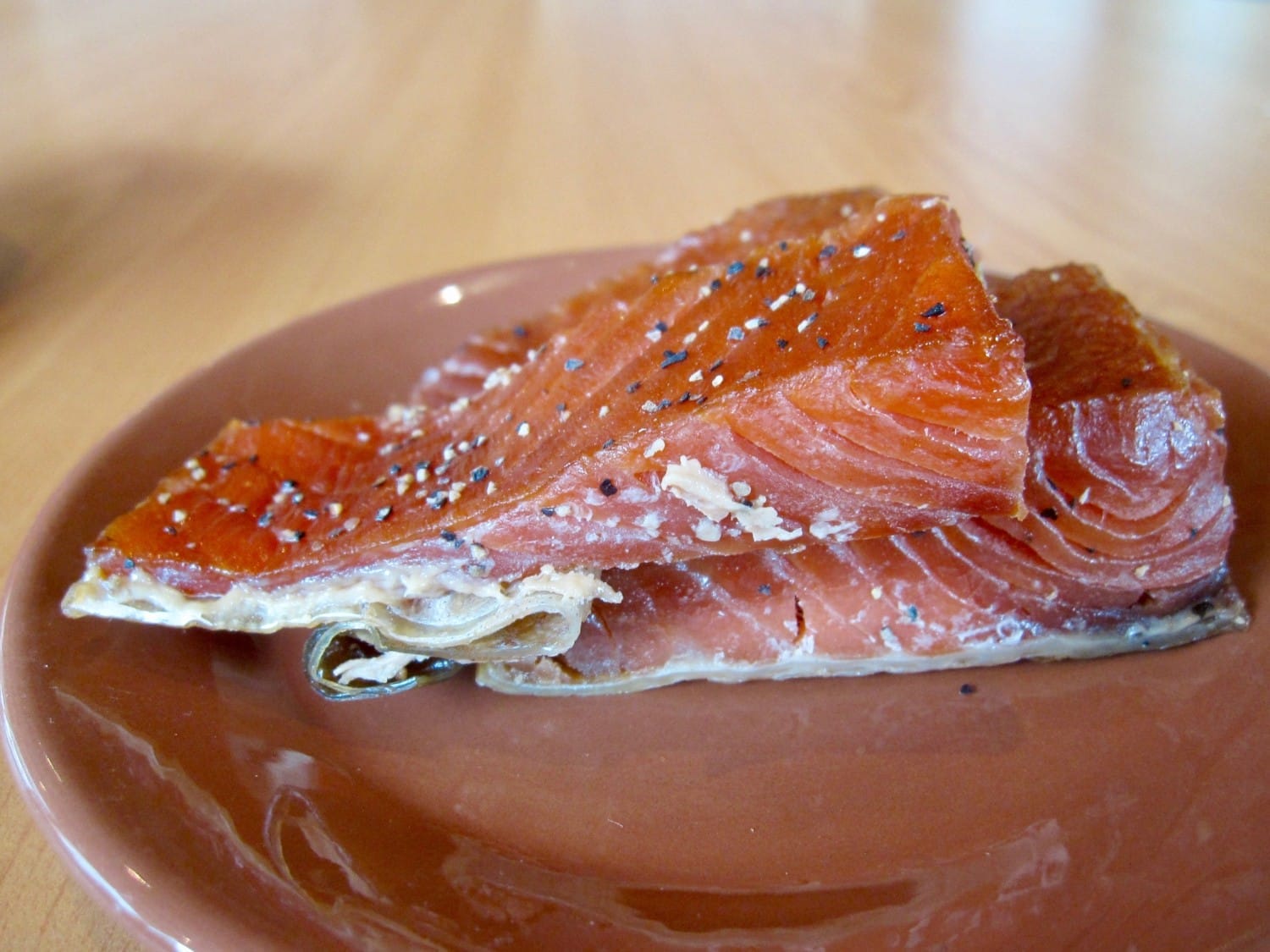
Salmon Candy ($4) is skin-on, pepper rubbed “jerky” that was only a little sweet, but quite chewy. Your jaw’s bound to get a workout.
The cafe makes juice from Xusum [pronounced hoshum], a berry that grows in Squamiah and Lil’wat territory and has bitter flavor. They mix with sugar and water, and it’s known for its cleansing properties. Unfortunately, they were xusum-free, so I had no choice but to leave unclean.
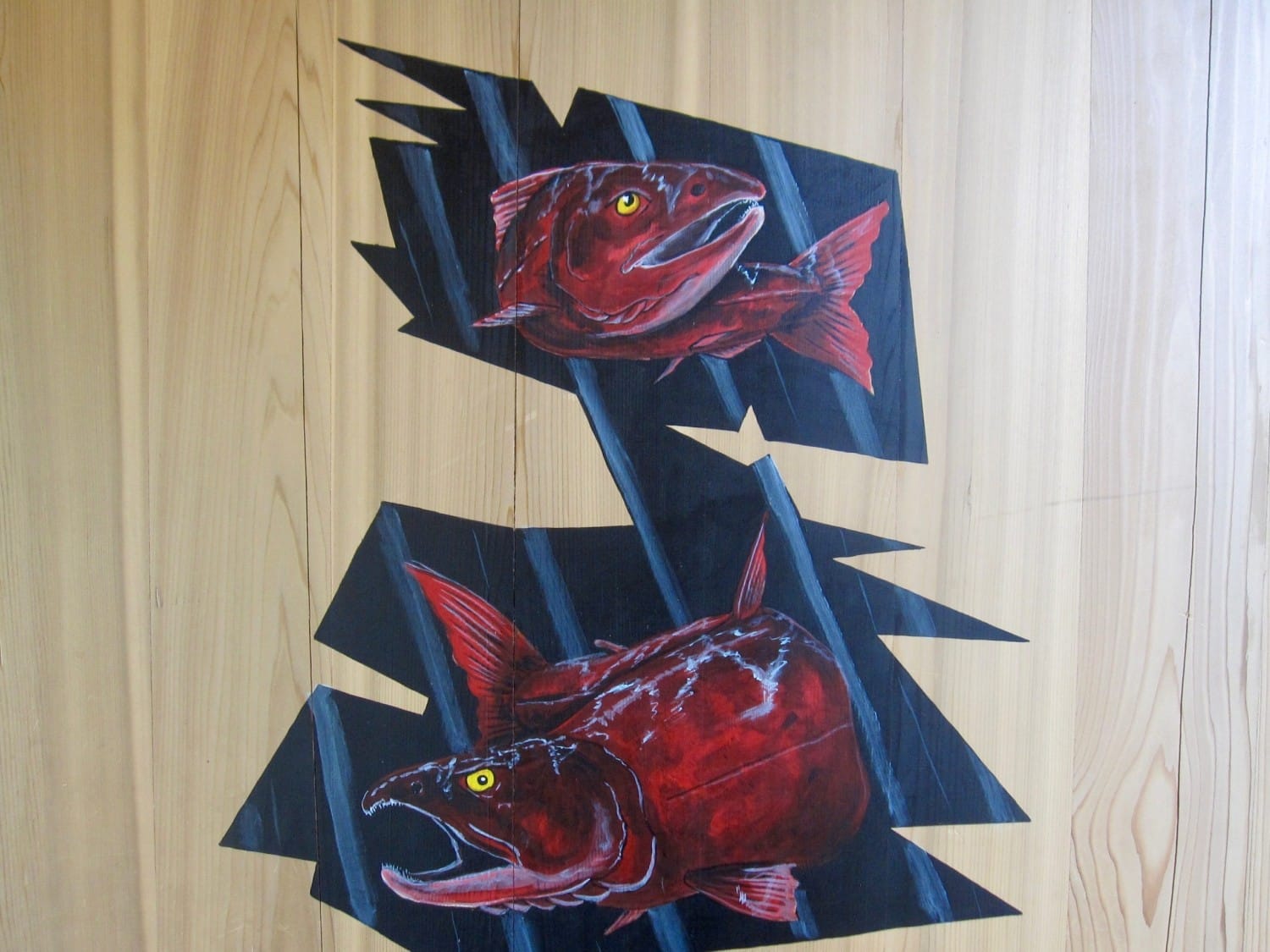
The exit involved passing by more salmon, in this case, the rosy, hook-mouthed sockeye.

This decorative 40-foot canoe was designed by the Squamish to hunt seals, whales, larger fish, and to battle.
My visit to the Squamish Lil’Wat Cultural Centre was certainly evocative thanks to a combination of food, culture and history.




Leave a Comment